
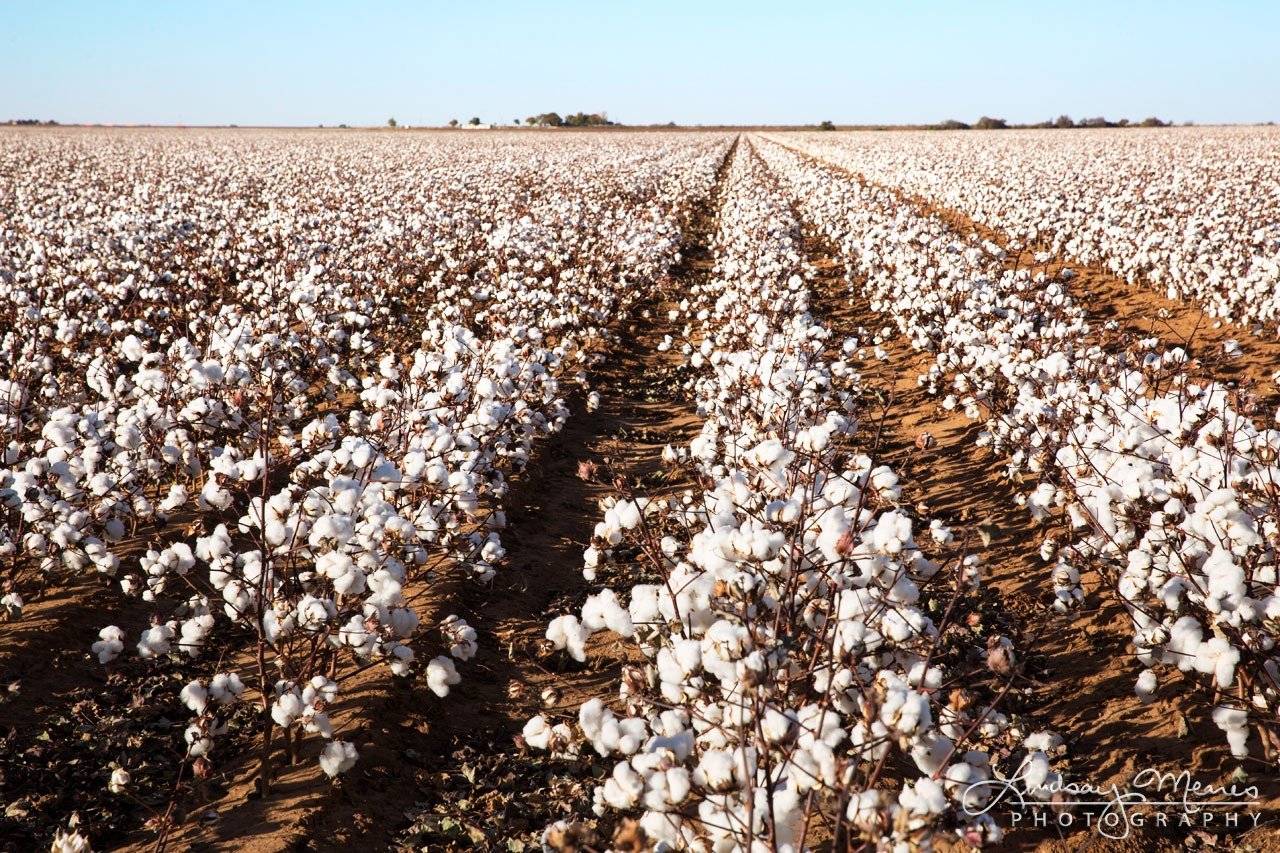
Pakistan’s cotton production for the 2025–26 season reached about 5.6 million bales, falling far short of the official target of 10.2 million bales.
Latest data from the Pakistan Cotton Ginners Association shows that total output was roughly 45 percent below the goal set by the Federal Committee on Agriculture, despite a slight increase from last year.
The shortfall has raised concerns across the agriculture and textile sectors, as cotton remains a key raw material for Pakistan’s largest export-earning industry. Lower local production means textile mills may need to increase cotton imports to meet demand, which could put additional pressure on foreign exchange reserves and raise costs for manufacturers.
The table below outlines the estimated production and targets for the season:
| Category | Amount (Million Bales) |
|---|---|
| National Target | 10.2 |
| Actual Production | 5.607 |
| Shortfall | 4.593 |
The shortfall was seen across major cotton-growing regions. Punjab, historically the largest producer, recorded around 2.69 million bales, which was more than 50 percent below its regional target.
Sindh and Balochistan together produced about 2.915 million bales, nearly 37 percent below their combined goal but slightly outperformed Punjab in actual output.
Industry analysts say the low production may be linked to several challenges, including weather issues, reduction in cotton-growing acreage, and competition from other crops. Limited supply of quality cotton can also influence prices in domestic markets, potentially pushing costs higher for textile makers.
Textile mills have already signed agreements to import more than four million bales to help bridge the gap between local supply and industrial demand. Continued reliance on imports could increase costs for manufacturers and affect competitiveness in global markets.
Cotton crop arrivals are still being reported, and final production figures may be updated later in April when late-season deliveries are included.