
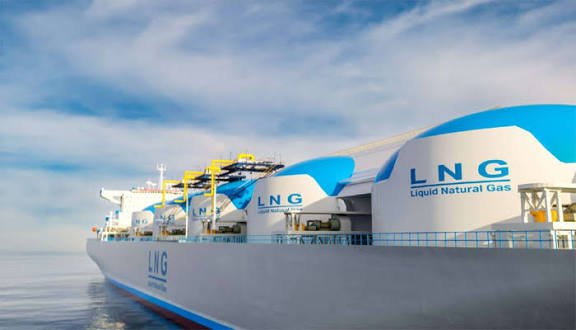
Pakistan is set to start selling its surplus liquefied natural gas (LNG) in international markets from January 1, the Petroleum Minister Ali Pervaiz Malik announced.
The move comes as the country faces an oversupply of imported gas, which has caused financial strain on domestic producers and contributed to mounting circular debt in the energy sector.
Speaking at a press conference in Lahore, Malik explained that Pakistan had been importing LNG from Qatar and Italian company Eni. However, reduced domestic demand for gas in recent months left the country with excess fuel.
By exporting the surplus, Pakistan aims to minimize losses, generate revenue, and allow state-owned energy companies to operate at full capacity. Since 2018-19, the excess LNG situation has reportedly cost the country around Rs. 1,000 billion.
The minister also highlighted upcoming foreign investments in Pakistan’s petroleum sector. Turkish Petroleum will soon collaborate with local companies on onshore and offshore exploration projects and open an office in Islamabad, creating employment opportunities for both Turkish nationals and Pakistanis.
Similarly, the State Oil Company of Azerbaijan Republic (SOCAR) is planning to invest in oil and gas exploration and construct a pipeline from Machike to Thalian in partnership with Pakistan State Oil (PSO) and the Frontier Works Organisation (FWO).
Additionally, the Reko Diq project has secured $3.5 billion in private funding, with Canadian mining company Barrick Gold and local partners contributing to a total investment of $6–7 billion for the first phase.
The project’s signing ceremony is expected soon at the Prime Minister’s House, marking a significant milestone for Pakistan’s energy and mining sectors.
These initiatives aim to reduce reliance on imported energy, boost domestic production, and attract international expertise and investment into Pakistan’s energy industry.