
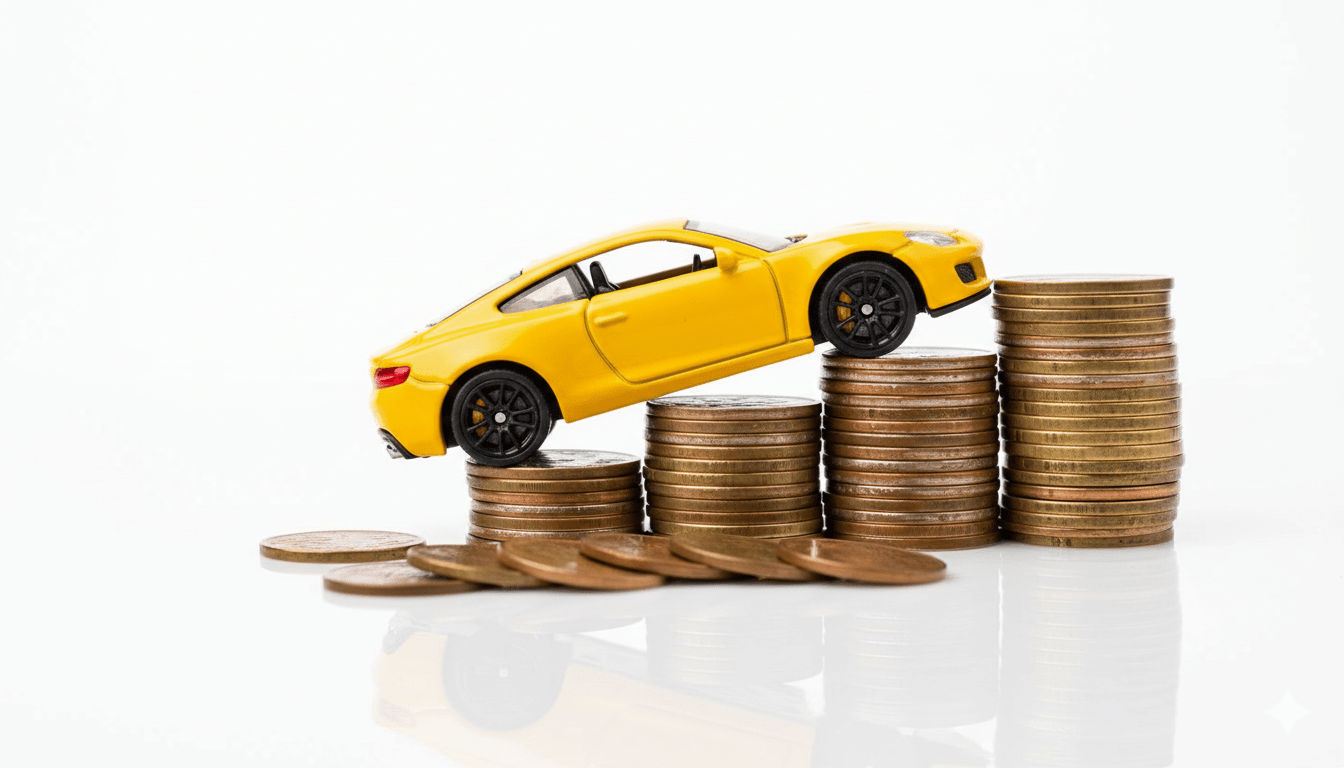
Pakistan’s automobile market has witnessed a dramatic shift in pricing over the past decade, reshaping the way consumers view affordability and value.
In 2016, the launch of the Honda Civic gained attention for delivering a premium driving experience at a price of Rs. 2,349,000. At the time, car buyers saw it as a luxury purchase, yet still within reach of a large segment of the upper-middle class.
Fast forward to 2025, the auto landscape looks very different. The Suzuki Alto, one of the country’s most basic and entry-level vehicles, now carries a price tag of Rs. 2,707,000—surpassing the cost of the Honda Civic at its launch nine years ago.
This change reflects the rapid increase in vehicle production expenses, fluctuating exchange rates, and pressure from global inflation.
Industry analysts say the price jump has significantly affected consumer habits. Many first-time buyers are struggling to enter the market while others are shifting their focus to used vehicles or alternative transport.
The rise in prices has also slowed purchasing trends, pushing potential buyers to delay their decisions as they wait for economic stability.
Automakers argue that increases in freight charges, imported parts, and regulatory taxes have driven up manufacturing costs.
At the same time, demand for fuel-efficient and compact vehicles remains strong, making the Alto one of Pakistan’s most commonly sought models despite its rising price.
This decade-long transformation highlights how economic challenges have reshaped Pakistan’s auto sector.
What was once considered an affordable luxury in 2016 has become comparable to today’s lowest-priced cars, showing how sharply affordability has declined for the average household.