
Pakistan’s major industrial and export sectors have dismissed government claims of a recovery in large-scale manufacturing (LSM), saying real industrial activity is shrinking due to high energy costs, weak demand and heavy taxation.
Industry associations estimate that over 150 factories have closed in the last 18 months, while most remaining units are operating at only half of their capacity.
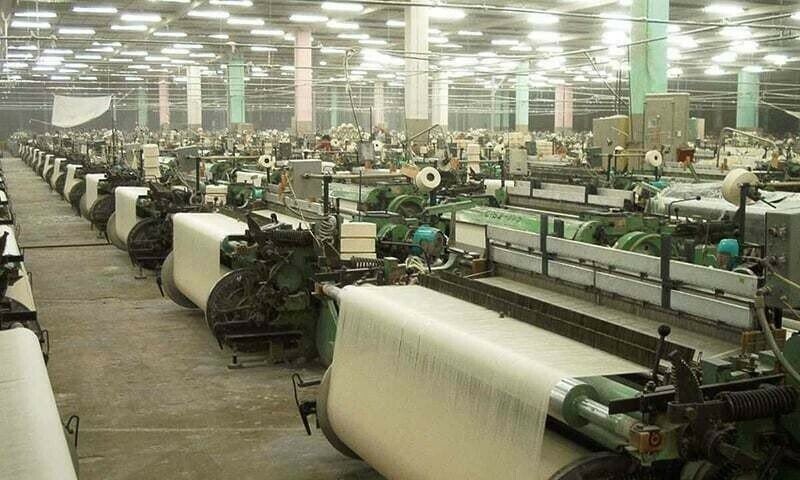
The textile industry, Pakistan’s biggest export earner, is facing the hardest hit. The All Pakistan Textile Mills Association (APTMA) reports around 150 textile units have shut down due to costly gas and electricity, high interest rates, heavy taxes and delays in refunds. The shutdown has reduced production, weakened exports and led to job losses.
This situation stands in contrast to government data showing 4.08% LSM growth during the first quarter of FY2025-26. Exporters argue that official figures fail to reflect what is actually happening inside factories.
Trade data shows textile exports dropped 2.05% year-on-year in November 2025 to $1.43 billion. Overall exports fell sharply by 15.35%, while imports increased 5.42%, widening the trade deficit to $2.86 billion.
The Pakistan Readymade Garments Manufacturers and Exporters Association says many large textile factories have gone from two shifts to one while over 100 spinning units have closed. The association warns conditions could worsen in 2026 due to strict European Union compliance costs.
The steel sector is facing similar pressure. The Pakistan Association of Large Steel Producers says mills are running at 30–50% capacity because of high taxes, energy prices and weak demand, despite large investments in modern plants.
Industry groups warn that without urgent policy reforms, more factories may shut down, risking jobs, export earnings and economic stability.