
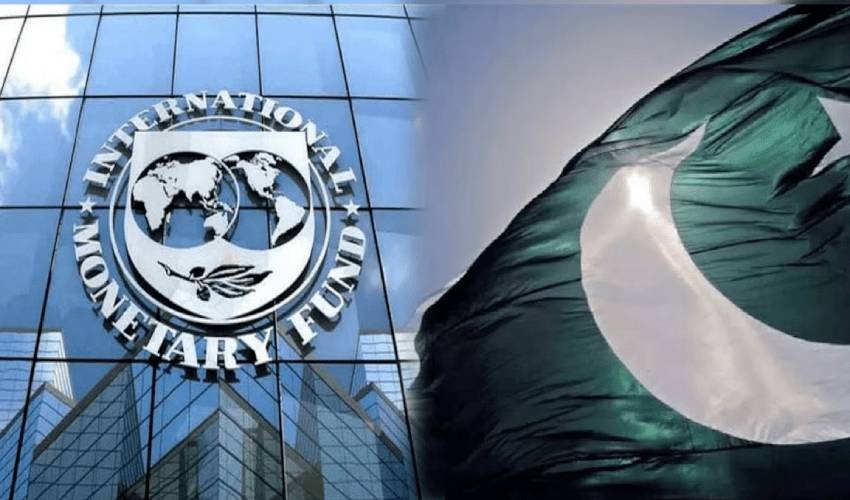
The Korangi Association of Trade and Industry has asked the government to push for relief measures for the industrial sector during ongoing talks with the International Monetary Fund.
Business leaders say rising production costs are hurting manufacturers and reducing Pakistan’s ability to compete in export markets.
According to industry representatives, high electricity and gas tariffs remain one of the biggest challenges. Many factories are operating below capacity because energy costs have increased sharply over the past two years. KATI has requested lower power tariffs, targeted tax incentives, and policy support to help revive industrial activity.
Manufacturers also want export based incentives to improve foreign sales. Pakistan’s exports have struggled to grow, while input costs such as raw materials, fuel, and financing remain high. Industrialists believe that without relief, production may decline further, leading to job losses.
| Key Demand | Purpose |
|---|---|
| Lower Energy Tariffs | Reduce production cost |
| Tax Incentives | Encourage investment |
| Export Support | Improve global competitiveness |
Business leaders argue that industrial growth is essential for economic stability. A strong manufacturing sector can increase exports, create jobs, and improve foreign exchange reserves.
While the government remains committed to IMF backed reforms, industry groups stress that economic adjustment policies must also protect local production. They believe balanced negotiations can support fiscal discipline while keeping factories running and workers employed.