
Pakistan’s biggest gas distribution company has announced plans to reduce gas supply to several industrial consumers due to serious disruptions in global energy trade. The decision follows escalating tensions in the Middle East, which have affected key supply routes and export facilities.
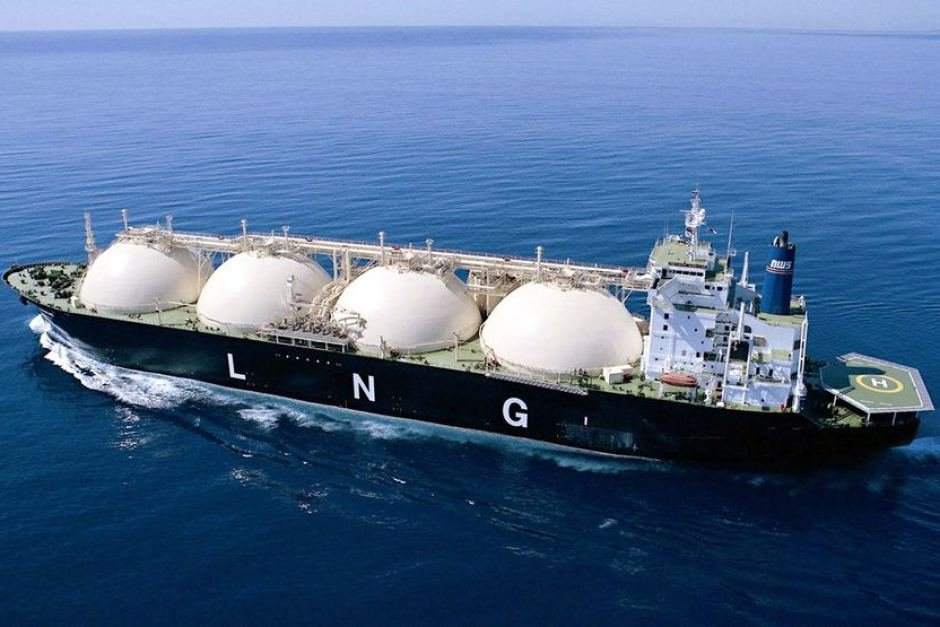
The crisis has reportedly impacted the Strait of Hormuz, a vital shipping route for oil and liquefied natural gas shipments. In addition, operations at Qatar’s Ras Laffan LNG export terminal have been disrupted. Qatar is one of Pakistan’s main suppliers of liquefied natural gas, making the country highly exposed to supply shocks in the region.
Pakistan depends heavily on imported LNG to meet its industrial and power generation needs. Industries such as textiles, fertiliser, cement, and manufacturing rely on a steady gas supply to maintain production. Any reduction in supply can slow output, increase production costs, and affect exports.
Energy analysts note that global energy trade is facing one of its biggest challenges in recent years, comparable to the disruption seen after Russia invaded Ukraine in 2022. Rising freight costs and uncertainty in supply chains have already pushed energy prices upward in international markets.
The government is expected to review supply priorities and may shift more gas toward essential services and domestic consumers.
Meanwhile, industrial players are exploring alternative fuels where possible, though switching sources can be costly and technically challenging.