
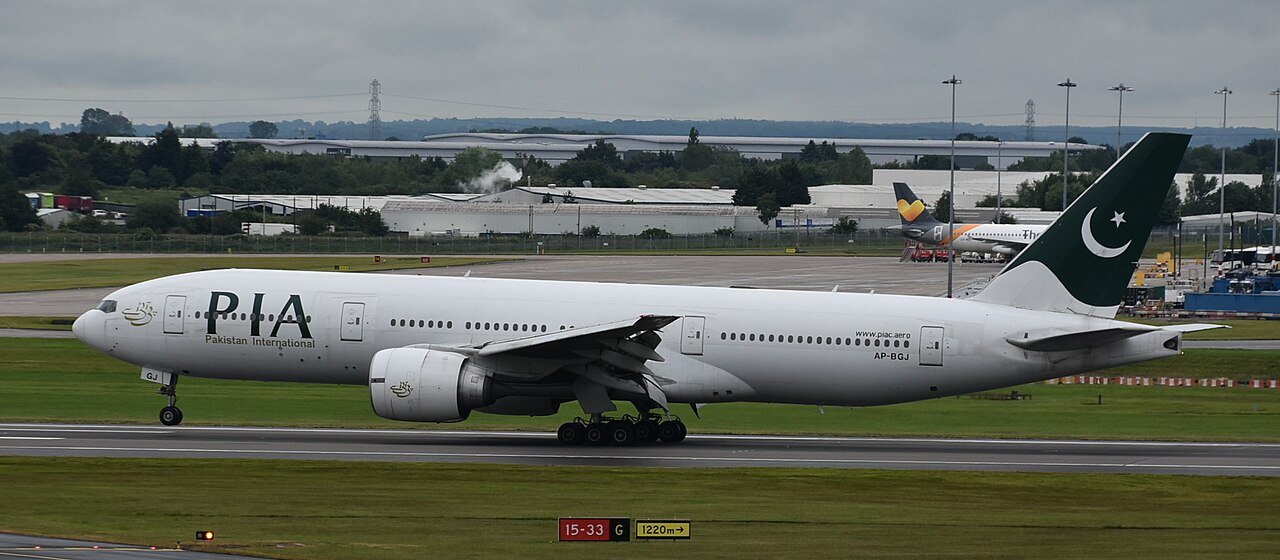
Pakistan International Airlines (PIA), the national carrier of Pakistan, has faced huge financial troubles for years. Reports show that between 2015 and 2024, PIA piled up around Rs 500 billion in losses. That works out to an average of about Rs 4.1 billion every month during those ten years.
These massive losses came from a mix of problems like poor management, too many staff, high costs, old planes, and tough competition from private airlines. The government kept putting money to keep it flying, but it only added to the debt burden. By late 2025, PIA’s total liabilities had climbed even higher, with some estimates over Rs 650 billion before privatization steps.
In a big move to fix this, the Pakistani government sold a 75% stake in PIA in December 2025. A consortium led by businessman Arif Habib won the bid for Rs 135 billion (around $482 million) after a live auction. The government took over much of the old debt to make the deal happen. New owners aim to turn things around with better operations, modern plans, and maybe new aircraft deals.
This privatization is seen as a step to stop the drain on public money and bring efficiency back to the airline. While PIA showed some profit signs in parts of 2025 before the sale, the long history of losses highlights why change was needed.
Officials have set April 29, 2026, as the final date for the Arif Habib Group consortium to choose whether to purchase the remaining 25% shares in Pakistan International Airlines, valued at about Rs 45 billion.