
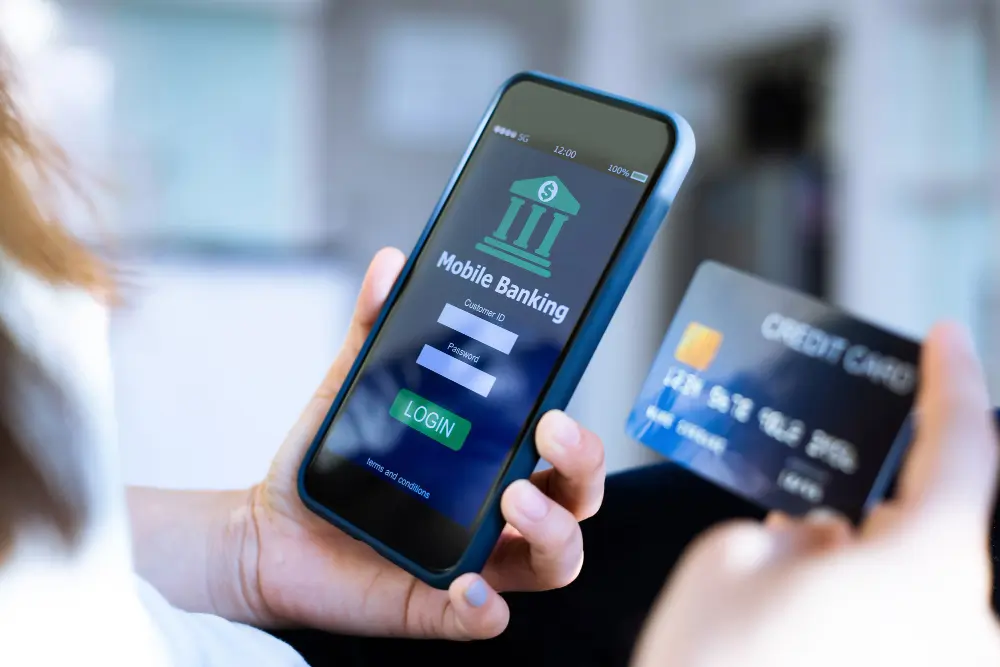
Pakistan is quickly moving toward a cashless economy. Digital payments have grown fast in the last year, making money transfers easier, faster, and more transparent for millions of people.
According to recent updates shared with Prime Minister Shehbaz Sharif, mobile banking users jumped from 95 million to 137 million. This big increase shows that more Pakistanis are using phones for banking instead of cash.
Key Growth Numbers
| Statistic | Details |
|---|---|
| Mobile Banking Users | Rose to 137 million (from 95M) |
| Digital Transactions | 11.9 billion (July 2025–June 2026) |
| QR Code Merchants | Up 300% to 2.003 million |
| Digital Payments Growth | 300% increase |
| NADRA Cash Transactions | Down from 71% to 1% |
| BISP Beneficiaries | 10 million now on digital wallets |
| Overseas Remittances | 92% done digitally |
The government has made strong progress. NADRA, which handles national identity and documents, now does 99% of its payments digitally. All payments for 10 million people under the Benazir Income Support Programme (BISP) now go straight to digital wallets. This helps reduce delays and corruption.
Prime Minister Shehbaz Sharif praised these achievements during a high-level meeting. He called for more awareness campaigns so small businesses can start accepting QR code payments. He also directed officials to make overseas remittances fully digital for better efficiency.
Experts believe this shift will support economic growth, bring more people into the formal banking system, and increase transparency. The Pakistan Banking Association is setting new targets for banks to use systems like RAAST even more. A third-party review of the cashless initiative is expected in November 2026.
Pakistan’s digital journey is gaining speed. With continued government support and public adoption, a cashless future looks closer than ever.