
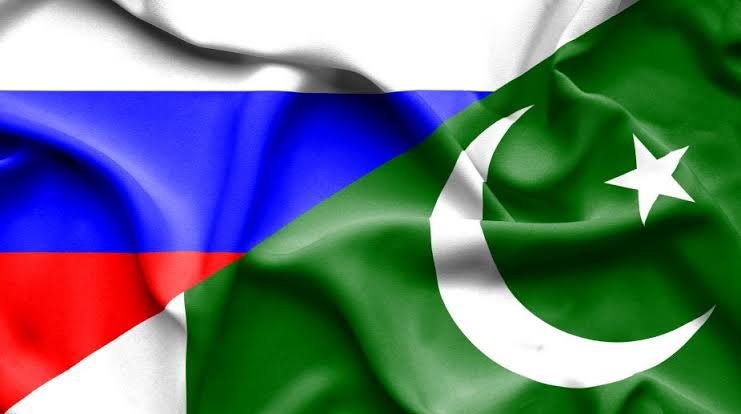
Pakistan and Russia are moving closer to deeper cooperation in the energy sector as talks continue on a possible oil-related agreement between the two countries.
Pakistan’s Finance Minister, Muhammad Aurangzeb, confirmed that discussions are underway, focusing on areas where Russia has strong expertise, including oil exploration, production and refining.
According to the finance minister, the energy ministries of both countries are actively reviewing different options for cooperation.
He said Pakistan would welcome an agreement that allows Russian experience and technology to support the country’s growing energy needs. Such cooperation could help Pakistan improve its domestic energy capacity and reduce dependence on expensive imports.
In addition to oil-sector talks, Russia has shown interest in upgrading an existing oil refinery in Pakistan. Russian companies have already discussed technical and investment possibilities, indicating a broader role for Moscow in Pakistan’s energy infrastructure.
These discussions gained momentum after Pakistan began importing Russian crude oil in 2023 as part of efforts to manage rising fuel costs.
The growing engagement between Islamabad and Moscow reflects changing global and regional dynamics. After facing Western sanctions, Russia has been looking for new markets for its energy exports. At the same time, Pakistan is exploring alternative suppliers to ensure energy security and control import expenses.
Beyond energy, both sides are also considering cooperation in the industrial sector. Talks are reportedly taking place about setting up another steel plant in Pakistan, which could support local manufacturing and create employment opportunities.
Analysts believe that closer ties with Russia could offer Pakistan long-term economic benefits, especially in energy and heavy industry.
However, any agreement will depend on technical feasibility, pricing terms and mutual strategic interests.
If finalized, these initiatives could mark a new chapter in Pakistan–Russia relations, strengthening economic links and expanding cooperation beyond traditional diplomatic engagement.