
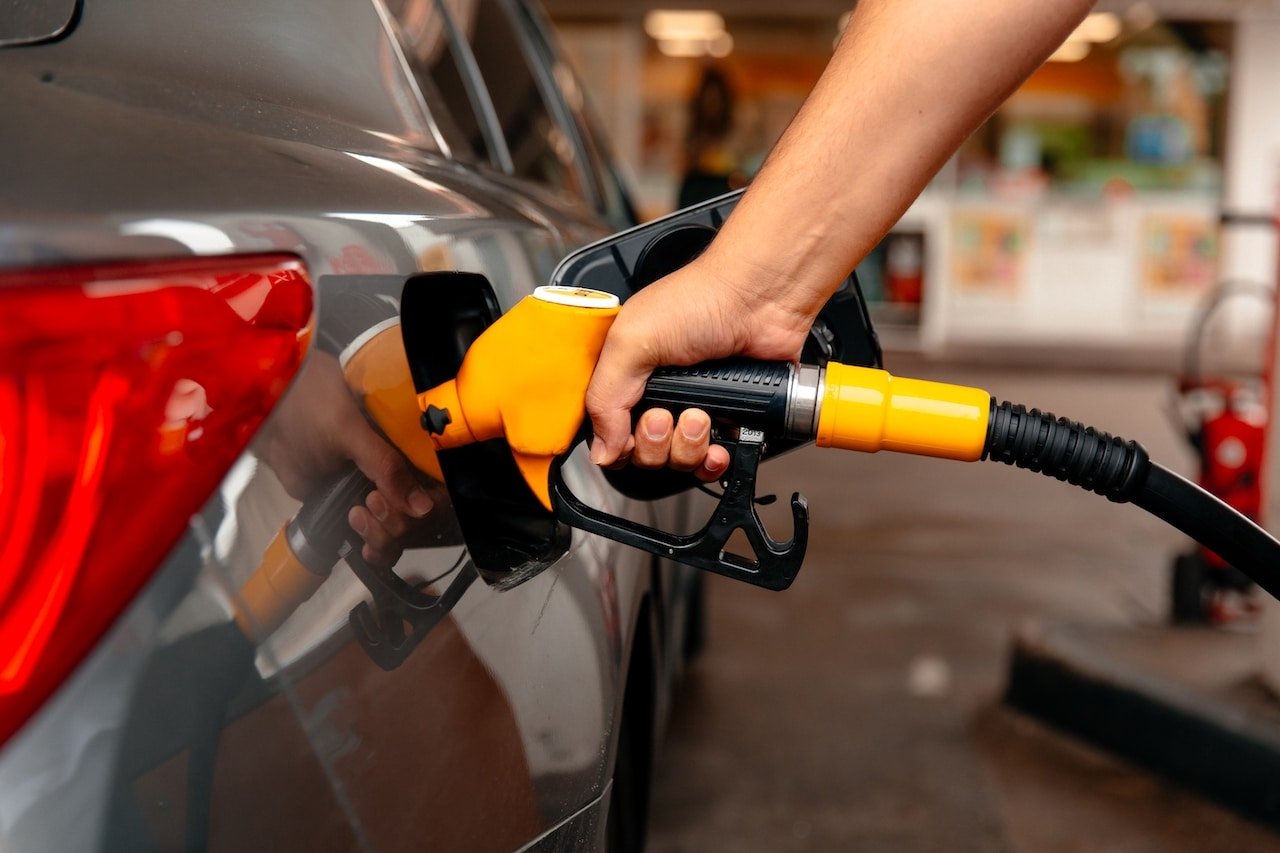
The government has decided to significantly increase the levy on high-octane fuel, raising it from Rs. 100 per litre to Rs. 300 per litre.
This change was approved by Prime Minister Shehbaz Sharif during a high-level meeting where officials reviewed fuel pricing and possible relief measures for the public.
The increase mainly targets high-octane fuel, which is commonly used in luxury and high-end vehicles. By focusing on this category, the government aims to place the financial burden on wealthier individuals rather than affecting the general public.
Officials have clarified that this decision will not lead to higher fares for public transport or increased air travel costs.
Fuel prices used by lower and middle-income groups will remain unchanged, ensuring that everyday commuters are not impacted by this move.
The government believes this approach will help maintain economic balance while still generating additional revenue. According to estimates, the increased levy is expected to bring in around Rs. 9 billion in savings every month.
These funds are planned to be used for public relief initiatives, which may include subsidies, development projects, or support programs for those in need. The goal is to redirect resources from luxury consumption toward broader public benefit.
This decision reflects the government’s strategy to manage economic challenges without placing extra pressure on the majority of citizens.
By targeting non-essential fuel use, authorities aim to support fairness in taxation and ensure that relief efforts reach those who need them the most.