
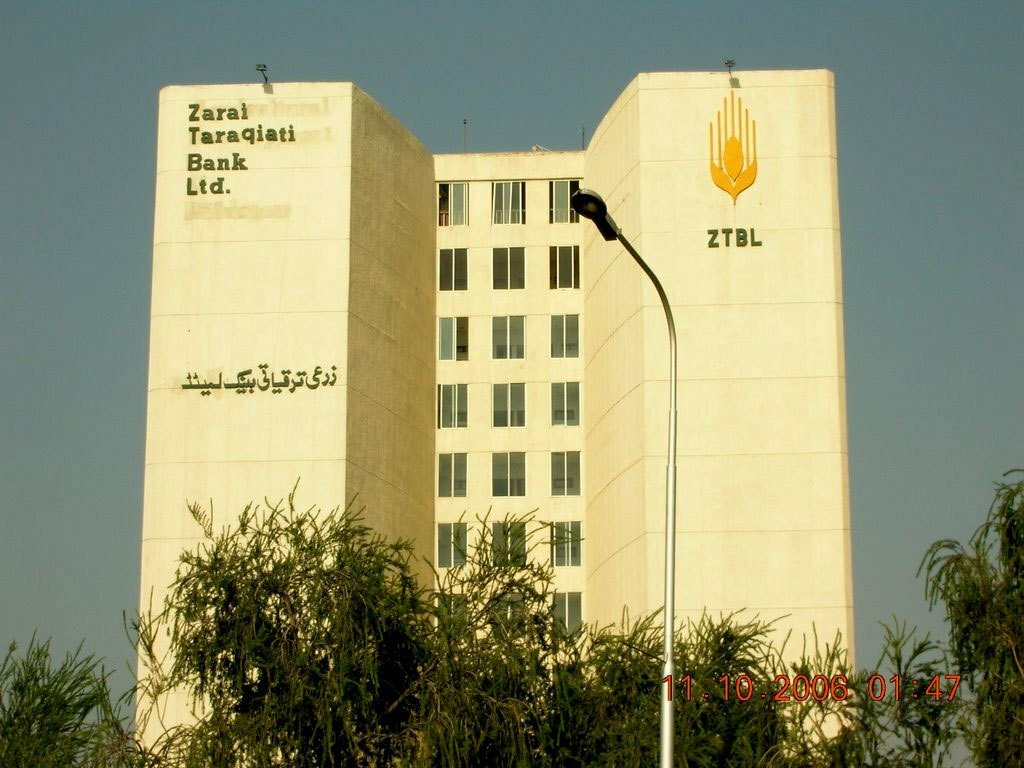
The International Monetary Fund has expressed concerns that the planned privatisation of Zarai Taraqiati Bank Limited may create difficulties for small farmers seeking loans and agricultural financing.
The concerns were highlighted in the IMF’s Governance and Corruption Diagnostic report, which reviewed the bank’s financial performance and governance reforms.
According to the report, privatisation could reduce access to credit for low-income farmers who depend on institutional loans for farming and development needs.
ZTBL is currently Pakistan’s only specialised agricultural bank and mainly provides financial support to small and middle-income farmers.
Experts say many farmers rely on the bank for working capital, crop financing, and agricultural development projects.
The issue gained attention after the Privatisation Commission recommended a sale structure for the bank to the Cabinet Committee on Privatisation.
Reports said Prime Minister Shehbaz Sharif also discussed the matter with stakeholders and cabinet members, where concerns were raised about whether commercial banks would continue lending to low-income farmers after privatisation.
Despite the concerns, the IMF report acknowledged that ZTBL’s financial condition has improved in recent years.
Officials stated that the bank successfully reduced non-performing loans through recovery efforts and governance reforms introduced by its management team.
According to available figures, bad loans reportedly declined significantly over the last three years, while the bank’s profits and equity also increased.
Officials said ZTBL disbursed around Rs. 250 billion in agricultural credit during recent years, including support under the government’s Kissan package.
Agricultural census data shows that most farmers in Pakistan own small land holdings, highlighting the importance of accessible financing for the farming sector.
Experts believe the future structure of ZTBL will play a key role in determining whether small farmers continue receiving affordable and reliable agricultural credit.