
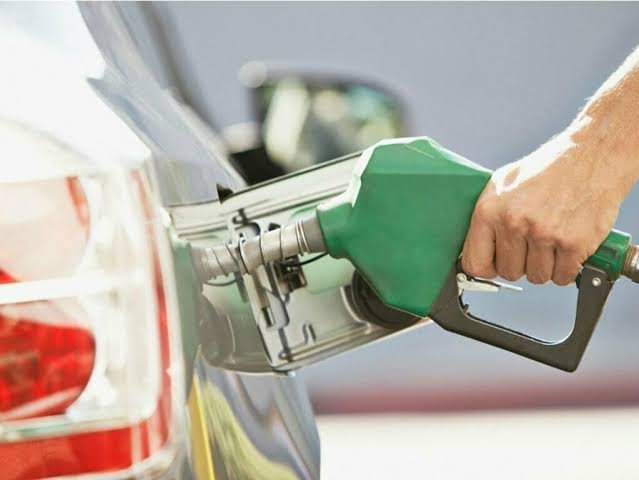
Petrol consumers in Pakistan are paying more than Rs. 140 per litre in taxes, levies, and industry-related charges, making fuel one of the country’s most heavily taxed products.
These additional costs form a significant portion of the final price paid by motorists at fuel stations. According to officials, the government continues to rely on fuel-related charges as an important source of revenue to help meet fiscal and budgetary targets.
While petrol remains a key necessity for transportation and economic activity, a large share of its retail price comes from taxes and fixed charges rather than the fuel itself.
The current petrol pricing structure includes several components, such as the Petroleum Levy, customs duty, climate support levy, dealer commissions, oil marketing company margins, and inland freight equalization charges. Together, these charges add more than Rs. 140 to the cost of every litre sold.
Although GST on petrol is currently set at zero percent, the presence of multiple fixed levies means consumers continue to face high fuel costs.
Officials say these collections help support government finances and contribute to revenue generation. Economic analysts note that fuel prices have a direct impact on transportation costs, business operations, and household expenses.
Any increase in petrol costs can influence the prices of goods and services throughout the economy. The issue continues to spark debate among consumers, businesses, and policymakers.
While authorities view fuel levies as an important revenue tool, many citizens are calling for measures that could reduce the burden on consumers and help control inflationary pressures.