
Pakistan’s agriculture sector recorded 2.9% growth in FY2026, mainly supported by strong performance in the livestock sector.
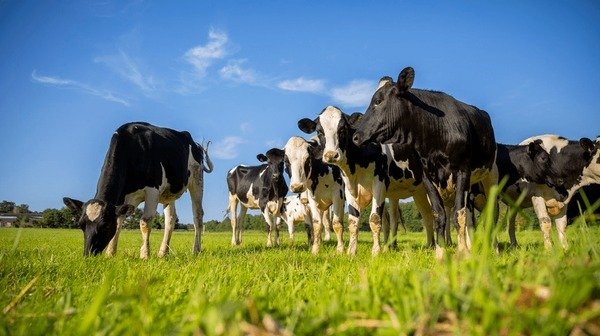
Livestock grew by around 3.8% and remained the largest contributor to agriculture. It accounted for 60.84% of the sector’s total value added and 14.63% of the country’s GDP, showing its critical role in the national economy.
Although some major crops such as wheat, rice, and sugarcane showed positive growth during the year, overall performance of the crop sector remained weak. Growth in major crops stood at only 0.6%, reflecting limited improvement in production.
At the same time, cotton and maize output declined, highlighting ongoing challenges faced by key crop segments. These declines affected the overall balance of agricultural performance despite gains in other areas.
The mixed results show that livestock has become increasingly important in maintaining stability in Pakistan’s agriculture sector.
Experts say that while crop farming remains essential, livestock now plays a stronger role in supporting rural incomes and national food supply.
According to the latest Economic Survey, livestock continues to act as the backbone of rural livelihoods across Pakistan. It provides employment, income, and export opportunities for millions of people, especially in rural areas.
The steady expansion of livestock helped the agriculture sector stay on a positive growth path despite weak performance in several crop categories.
Officials believe that continued investment in livestock development, animal health, and dairy production can further strengthen the sector in the coming years.