
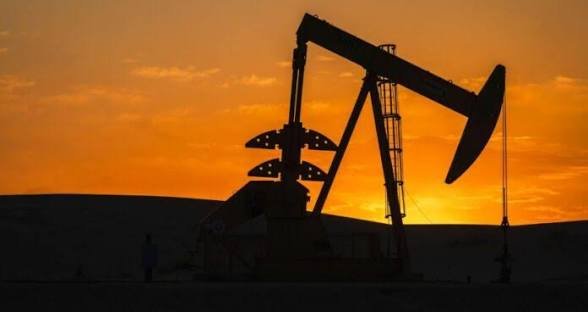
Global oil markets witnessed a decline this week as easing geopolitical tensions and optimism surrounding a possible peace agreement between the United States and Iran improved investor confidence.
Oil prices moved closer to $79 per barrel after concerns over potential supply disruptions began to ease.
Market participants responded positively to reports suggesting progress in diplomatic efforts, reducing fears of instability in one of the world’s most important energy-producing regions.
A key factor behind the price drop was growing confidence in the security of the Strait of Hormuz, a vital shipping route through which a large portion of the world’s oil supply passes.
Earlier concerns about possible disruptions had raised fears of tighter supplies and higher energy costs. However, improving expectations regarding regional stability helped calm global markets.
Both Brent and West Texas Intermediate (WTI) crude benchmarks recorded declines as traders adjusted their outlook based on the latest developments.
Analysts noted that geopolitical risks often have a direct impact on oil prices, with markets reacting quickly to signs of either conflict or stability.
Despite the decline in international oil prices, experts say it remains unclear whether consumers in Pakistan will immediately benefit from lower fuel costs.
Local petroleum prices are influenced by several factors, including exchange rates, government taxes, import costs, and domestic pricing policies.
As a result, a drop in global crude prices does not always translate into a similar reduction at local fuel stations. Authorities typically review a range of economic indicators before making pricing decisions.
Market observers will continue to monitor developments in the Middle East, as future diplomatic progress or renewed tensions could significantly influence oil prices in the weeks ahead.