
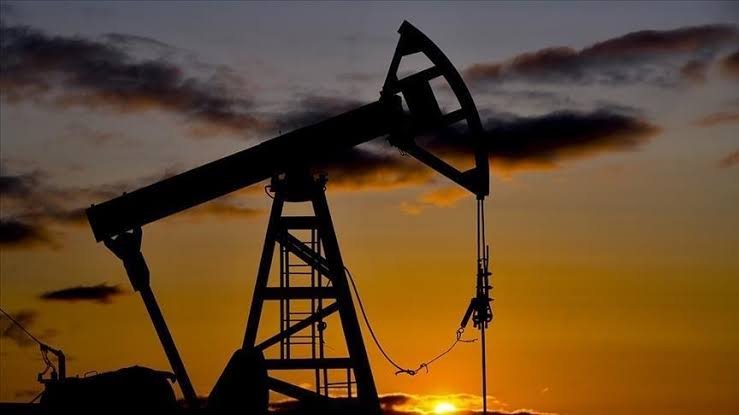
Global energy markets have responded positively to recent diplomatic developments, with oil prices recording a noticeable decline as concerns over regional instability begin to fade.
The drop in crude oil prices comes after reports of a peace agreement between the United States and Iran, a development that has improved market sentiment and reduced fears of disruptions to global energy supplies.
Investors and traders reacted quickly to the news, leading to a fall of more than 4% in major oil benchmarks.
According to market reports, US crude oil is trading at around $80.25 per barrel, while Brent crude has fallen to approximately $83.96 per barrel. Analysts say the decline reflects growing confidence that energy supplies will remain stable in the coming months.
A major factor behind the market reaction is the expected reopening and smooth operation of the Strait of Hormuz, one of the world’s most important oil shipping routes.
Any improvement in security and trade conditions in the region can have a significant impact on global energy markets.
Experts believe that easing geopolitical tensions have reduced the risk premium that was previously built into oil prices. As concerns over supply disruptions decline, traders are adjusting expectations and pricing accordingly.
The development is also being viewed as positive for global trade and economic activity. Lower oil prices can help reduce transportation and production costs, offering potential relief to businesses and consumers around the world.
While markets continue to monitor the implementation of the agreement, the early response suggests growing optimism about regional stability and energy security.
Financial analysts say diplomatic progress has once again demonstrated how international relations can directly influence commodity markets and economic confidence.