
Pakistan’s fiscal year 2026 (FY26) has closed with average inflation higher than the previous year. The average Consumer Price Index (CPI) inflation stood at 7.06% in FY26, compared to 4.5% in FY25.
This rise came despite earlier hopes of stability. Inflation remained low in the first few quarters but increased sharply in the last months. In May 2026, headline inflation jumped to 11.7%, the highest in nearly two years, mainly due to higher energy and fuel prices linked to global events.
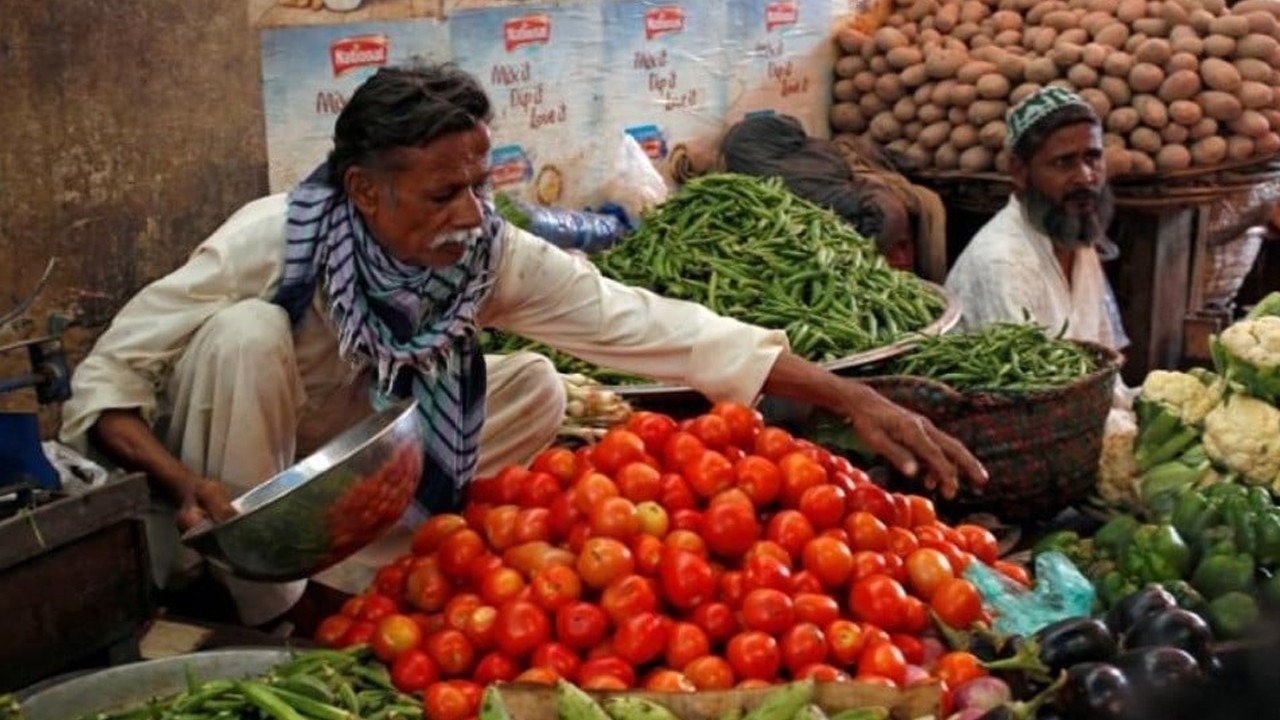
Food prices, transportation, housing, and utilities saw notable increases. Transportation costs rose significantly because of higher petrol and diesel prices. Core inflation also stayed elevated, showing broad-based price pressures.
The State Bank of Pakistan (SBP) had kept its policy rate high to control inflation, but external shocks like geopolitical tensions affected energy costs. The government tried to manage supply chains, yet prices still climbed.
Economists note that while FY26 growth reached around 3.7%, inflation above the 5-7% target range remains a challenge for households. Lower-income families felt the pinch the most from rising daily expenses.
Looking ahead, experts expect inflation to ease gradually if global oil prices stabilize and local agriculture performs well. The new fiscal year will need careful monetary and fiscal policies to bring prices under control.