
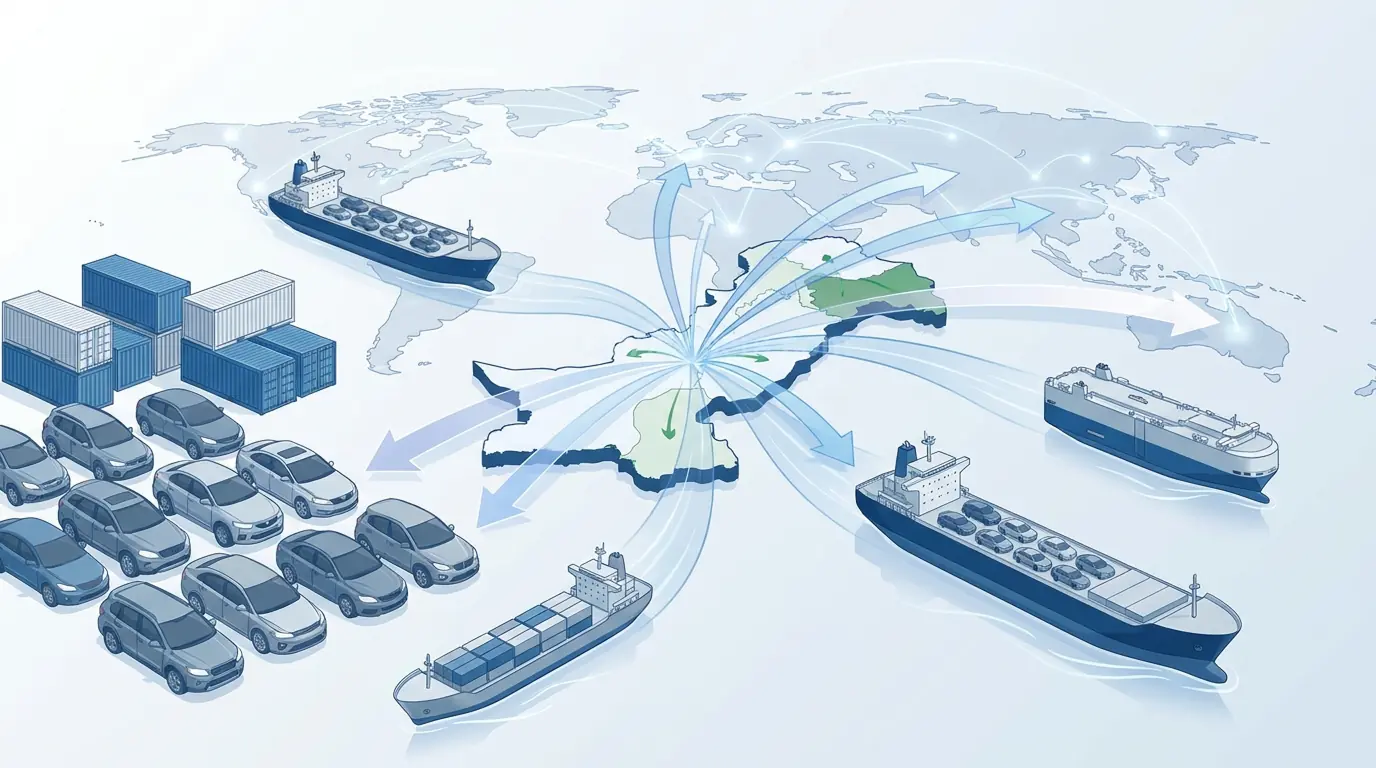
Pakistan’s auto industry has received huge subsidies, but it is still struggling to sell cars outside the country. Experts say more than Rs. 250 billion in subsidies have been given over the years, yet passenger car exports are almost zero.
Trade expert Dr. Manzoor Ahmad pointed out that the country has focused on protecting local car makers instead of helping them compete globally. High tariffs, tax breaks, and limits on imported cars helped local assemblers make money inside Pakistan. However, these policies did not push them to improve quality or enter world markets.
Under the Auto Policy 2021-26, the government set export targets linked to the parts companies could import. Many assemblers failed to meet these targets and even got court orders to avoid them. As a result, Pakistan exports very few complete passenger vehicles. Auto parts exports (excluding tyres) are also low at about $20 million per year.
Key Statistics
| Measure | Details |
| Government Subsidies | Over Rs. 250 billion |
| Passenger Car Exports | Near zero |
| Auto Parts Exports (excl. tyres) | Around $20 million annually |
| Policy Period | Auto Policy 2021-26 |
Countries like Thailand, Mexico, Türkiye, Vietnam, and Indonesia have built strong export industries worth billions of dollars by joining global supply chains. Pakistan can learn from them by focusing on technology transfer and international partnerships.
Dr. Ahmad believes the National Tariff Policy 2025-30 is a good chance to change direction. Instead of only protecting the local market, future support should reward companies that export and innovate. This would help create jobs, bring new technology, and earn valuable foreign money.
Local car sales sometimes grow, like a 29% jump in June, but the industry needs to look beyond borders for long-term success. Without real reforms, billions in subsidies may continue without big results in exports.
Pakistan has the potential to become a regional auto player, but it must shift from protection to global competition.