
Pakistan’s crude oil output reached its highest level in 26 months in May 2026. Production climbed to 71,563 barrels per day (bpd), according to a report by Topline Securities. This marks a positive step for the country’s energy sector.
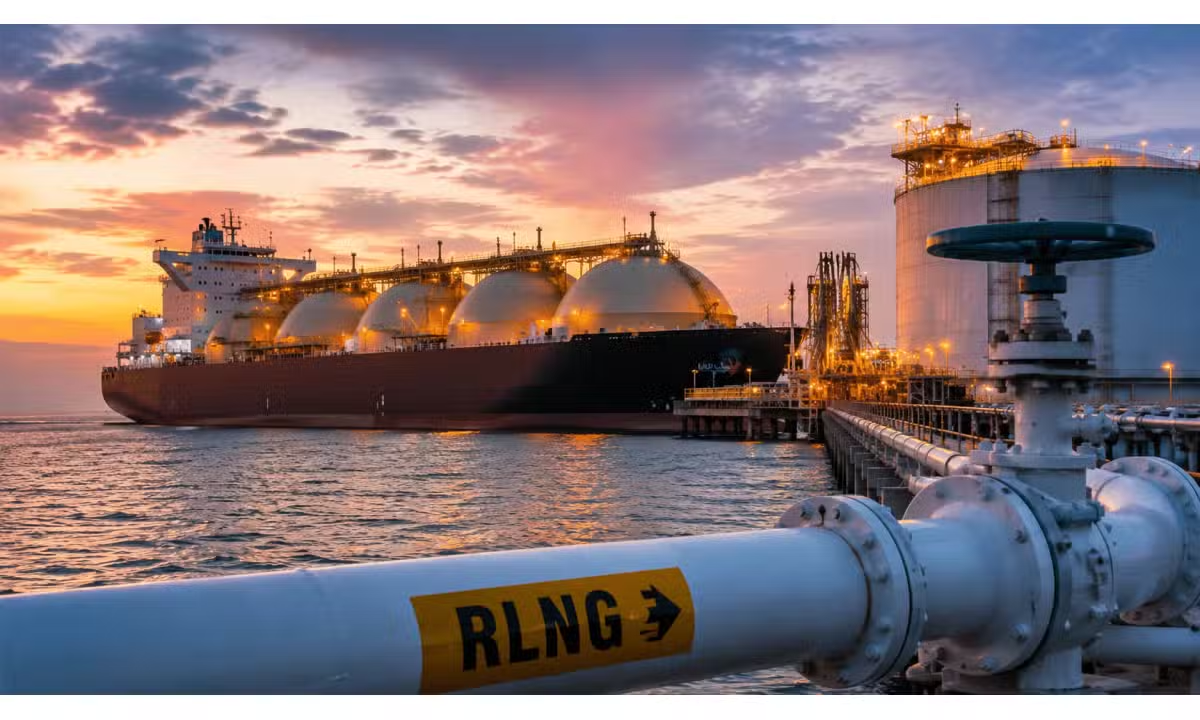
Experts say the rise came from better natural gas production and new oil fields. Reduced shortages of imported RLNG (regasified liquefied natural gas) allowed local gas companies to produce more. Since much of Pakistan’s crude oil comes out with natural gas, higher gas output helped boost oil numbers too. New fields like Baragzai and Spinwam were also added to the total.
Despite this good news, fuel prices for ordinary people remain expensive. The government recently increased petrol and diesel prices. Many drivers feel frustrated because local production is up, but they still pay high rates at petrol pumps.
Pakistan produces only a small part of the oil it needs. It imports most of its crude oil and refined petrol. Global oil prices, taxes, and import costs play a big role in final pump prices. Even with higher local output, the country still depends heavily on foreign supplies.
This increase in production is encouraging for energy security. It can help reduce the import bill slightly and support the economy. The government and oil companies continue efforts to explore more fields and improve output.
However, experts say long-term solutions need more investment in exploration, better refineries, and renewable energy. For now, citizens hope that higher local production will eventually lead to lower or stable fuel prices.