
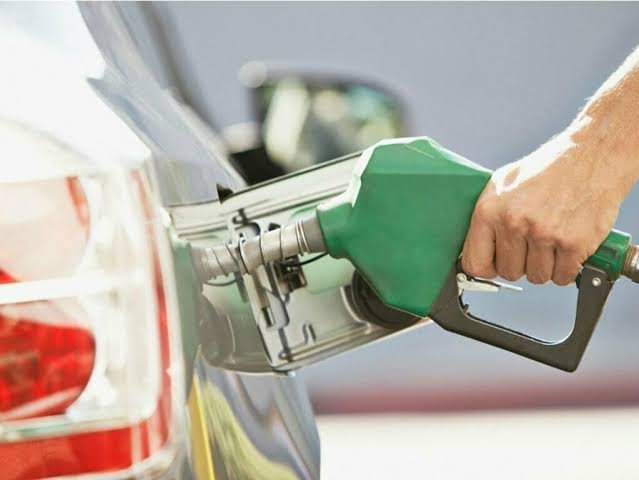
Pakistan is witnessing a sharp increase in fuel prices, with petrol prices rising by around 64% in the last three months and crossing Rs. 414 per litre.
The sudden increase comes amid growing tensions in the Middle East and instability in global oil markets.
Diesel prices have also recorded a major increase, adding further pressure on transportation, businesses, and industrial activities across the country.
Reports indicate that Pakistan has experienced one of the steepest fuel price increases in South Asia during the ongoing US-Iran conflict and global energy uncertainty.
Experts say international crude oil prices have risen because of fears surrounding oil supply disruptions and shipping risks in the Gulf region.
Since Pakistan depends heavily on imported petroleum products, changes in global oil prices directly affect domestic fuel rates.
The increase in fuel prices is expected to raise inflation and make daily life more expensive for citizens already dealing with economic challenges.
Public transport fares, food prices, delivery charges, and manufacturing costs are likely to increase further in the coming weeks.
Transporters and business owners have expressed concern over rising operational expenses, saying the fuel hikes are making it difficult to manage costs.
Economists also warn that continued increases in petroleum prices could slow economic activity and reduce consumer purchasing power.
Many citizens have shared worries about managing household budgets as travel and daily expenses continue to rise. Motorcyclists, public transport users, and lower-income families are expected to feel the strongest impact.
Officials continue to monitor the international oil market situation, while analysts believe future fuel prices will depend on geopolitical developments, regional stability, and global energy supply conditions in the coming months.