
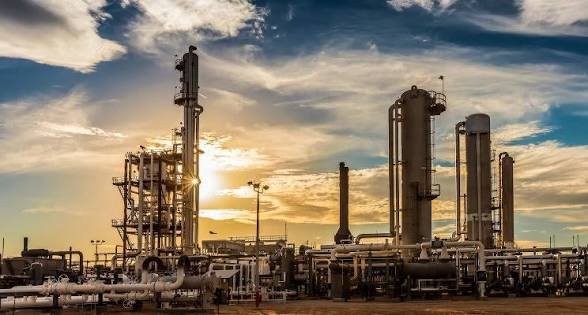
The Pakistani government has started efforts to resolve tax-related issues that have delayed major refinery upgrade projects worth nearly $6 billion across the country.
During a high-level meeting in Islamabad, Petroleum Minister Ali Pervaiz Malik directed officials to finalize proposals before the upcoming federal budget to ensure the implementation of the Brownfield Refinery Upgradation Policy without further delays.
The meeting included senior officials from the Petroleum Division and chief executives of major oil refineries, where participants discussed obstacles affecting investment and modernization projects in the refining sector.
According to officials, the biggest issue remains the taxation structure introduced through recent finance acts, which changed the sales tax status of petroleum products from zero-rated to exempt.
Industry representatives explained that this policy change has increased operational costs because refineries and oil marketing companies can no longer fully adjust input taxes against output taxes.
As a result, a large portion of input tax has become an additional cost, making refinery upgrade projects financially difficult and reducing investor confidence.
The minister described local refineries as critical national assets for maintaining fuel supply and strengthening Pakistan’s energy security.
He said the current regional situation and global oil market uncertainty have highlighted the importance of improving local refining capacity and reducing dependence on imports.
Officials said refinery modernization is necessary to increase fuel production, improve efficiency, and enable local production of cleaner Euro-V standard fuels. The projects are also expected to reduce harmful emissions and improve environmental standards.
Industry representatives appreciated the government’s efforts to resolve the issue and expressed hope that policy hurdles would soon be removed.
The government says refinery modernization remains a national priority aimed at improving energy security, supporting cleaner fuels, and protecting the country from external market disruptions.