
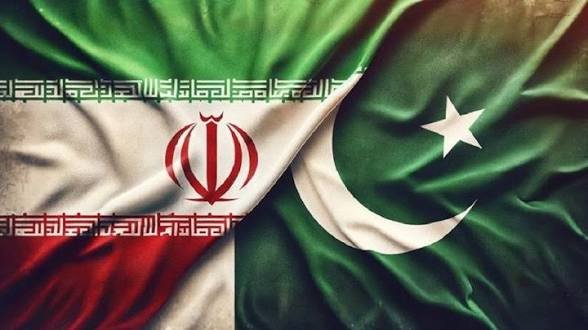
Pakistan and Iran have taken new steps to strengthen cooperation in the agriculture sector, with both countries exploring opportunities to increase trade in food and farm-related products.
During recent discussions in Islamabad, officials reviewed ways to improve agricultural collaboration and enhance the flow of goods between the two neighboring countries. One of the key areas of interest was livestock trade, with Iran expressing interest in purchasing meat from Pakistan to help meet its domestic demand.
Officials noted that Pakistan has the capacity to become a major supplier of meat to Iran, creating new opportunities for farmers, livestock producers, and exporters. The discussions also focused on increasing trade in agricultural products such as rice and mangoes, which are among Pakistan’s important export commodities.
Both sides agreed on the importance of removing trade barriers that may be slowing commercial activity. They emphasized the need for smoother trade procedures, better coordination, and stronger cooperation to support business growth.
The two countries also decided to accelerate the implementation of previously agreed agricultural initiatives. Officials set a target of making progress on existing commitments within the next two months to ensure practical results from the discussions.
The Pakistan-Iran Joint Working Committee on Agriculture will play a key role in monitoring developments and improving coordination between relevant institutions. The committee is expected to help identify new areas of cooperation and address challenges affecting agricultural trade.
Experts believe stronger agricultural ties could benefit both economies by improving food security, increasing exports, and creating new opportunities for businesses in the farming sector.
The latest discussions reflect growing efforts by Pakistan and Iran to deepen economic cooperation and strengthen trade relations through greater collaboration in agriculture and food production.