
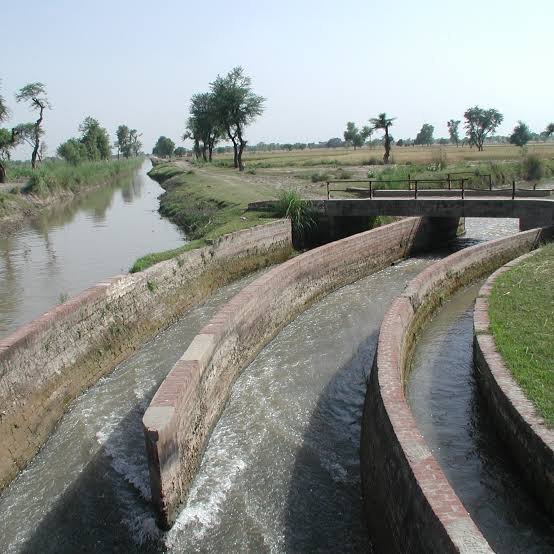
Pakistan is home to one of the world’s most extensive irrigation systems, known as the Indus Basin Irrigation System (IBIS). The network plays a vital role in supporting the country’s agriculture and food production.
Fed by the Indus River and its five major tributaries, the irrigation system delivers water to millions of acres of farmland across the country. It is considered the largest continuous irrigation network in the world and serves as the backbone of Pakistan’s agricultural economy.
The system includes more than 58,500 kilometers of canals and around 1.6 million kilometers of farm channels. These waterways transport water from rivers and reservoirs to farming areas, helping growers cultivate crops throughout the year.
Approximately 45 million acres of agricultural land depend on the network for irrigation. The system supports the production of key crops such as wheat, rice, cotton, sugarcane, and various fruits and vegetables that contribute significantly to the national economy.
Experts say the irrigation network has played a major role in transforming large areas of land into productive agricultural regions. It has helped sustain rural livelihoods, improve food security, and support millions of people connected to the farming sector.
However, water management remains an important challenge. Authorities continue working on modernization projects, water conservation measures, and infrastructure improvements to increase efficiency and address future water needs.
The Indus Basin Irrigation System remains one of Pakistan’s most valuable national assets. Its vast network of canals and channels continues to support agriculture, strengthen the economy, and provide a reliable source of water for farming communities across the country.