
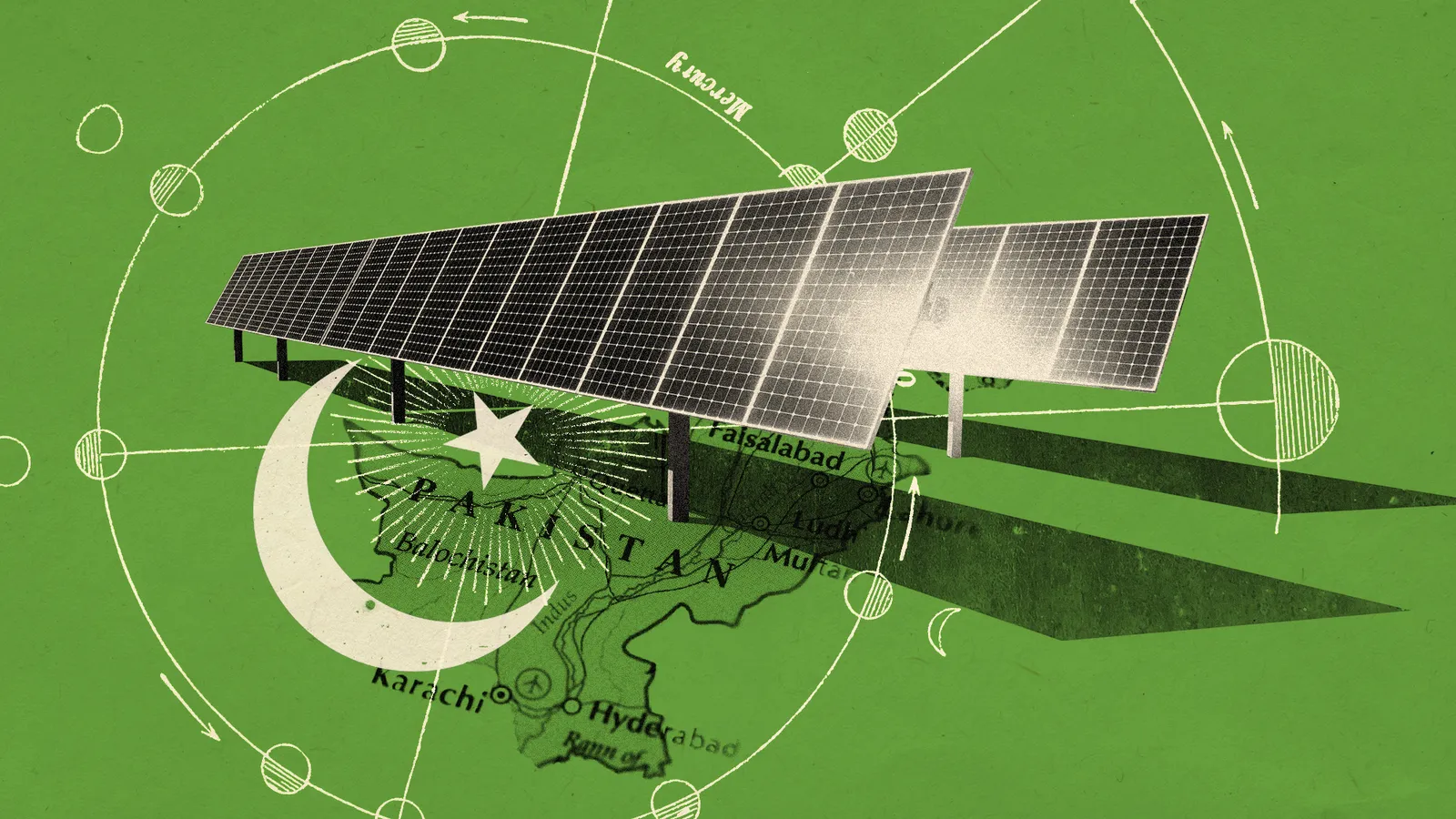
Pakistan has seen huge growth in solar energy over the last few years. Rooftop solar capacity has jumped from just 190 MW in FY2020 to nearly 7,000 MW by June 2026. This is a big achievement for the country’s clean energy goals.
Energy Adviser Syed Faizan Ali shared these numbers during a SAARC webinar. Several reasons helped this fast growth. Electricity prices went up by about 140 percent, the rupee lost value, and solar panel prices dropped around 60 percent. These changes made solar systems more affordable and attractive for homes and businesses.
However, the old net metering system, which gave one-to-one credit for extra power sent to the grid, created problems. It caused a revenue loss of about Rs. 101 billion in FY2024 for the power sector. To fix this, the government introduced new Prosumer Regulations 2026 on February 8, 2026. This replaced net metering with a net billing system for new users.
Under the new rules, people with solar panels will sell extra power to the grid at a lower price (around the national average energy purchase price). They will still pay full retail rates when they buy power from the grid. Existing net metering users can keep their old benefits until their contracts end.
The government wants to keep encouraging solar adoption while protecting the financial health of power companies. Officials must make sure costs do not unfairly shift to non-solar users.
This solar boom shows Pakistan’s strong move toward renewable energy. It helps reduce reliance on expensive imported fuel, lowers pollution, and creates new opportunities in the green economy. With smart policy changes, the country can continue its clean energy journey successfully.