
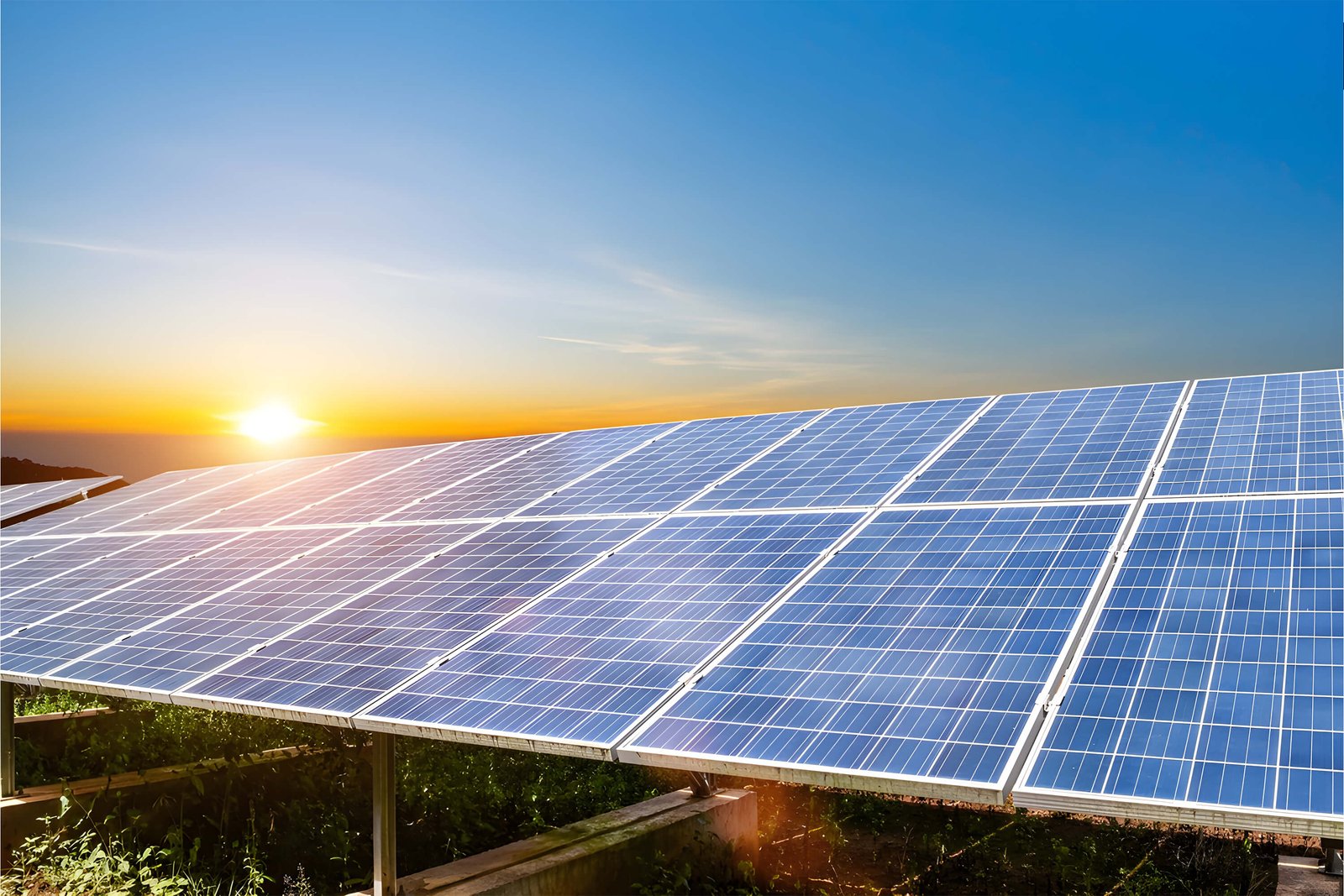
High electricity bills continue to push many Pakistani families toward rooftop solar. A typical 10-kilowatt (kW) net-metering system remains a smart choice for households, even after recent policy updates.
Industry experts say a well-installed 10 kW system can produce between 1,200 and 1,500 units of electricity every month. The exact amount depends on the city, roof direction, and season. This output is enough to cover the needs of an average upper-middle-income home and cut reliance on the national grid.
With current tariffs ranging from Rs45 to Rs60 per unit, families can save Rs50,000 to Rs90,000 each month just by using the solar power they generate themselves. Extra units sent to the grid still bring some credit, though the rates are lower under the new rules. A common example shows monthly benefits of around Rs55,000 to Rs60,000 when combining self-use and exports.
The upfront cost of a quality 10 kW system is between Rs1.5 million and Rs2.2 million. At today’s high electricity prices, most owners recover this investment in 2.5 to 4 years.
Pakistan’s net-metered solar capacity grew almost 37 times in six years and reached nearly 7,000 MW by June 2026. This boom was driven mainly by rising tariffs and cheaper panels rather than heavy subsidies.
The government has moved from pure net-metering to a net-billing system for new connections.