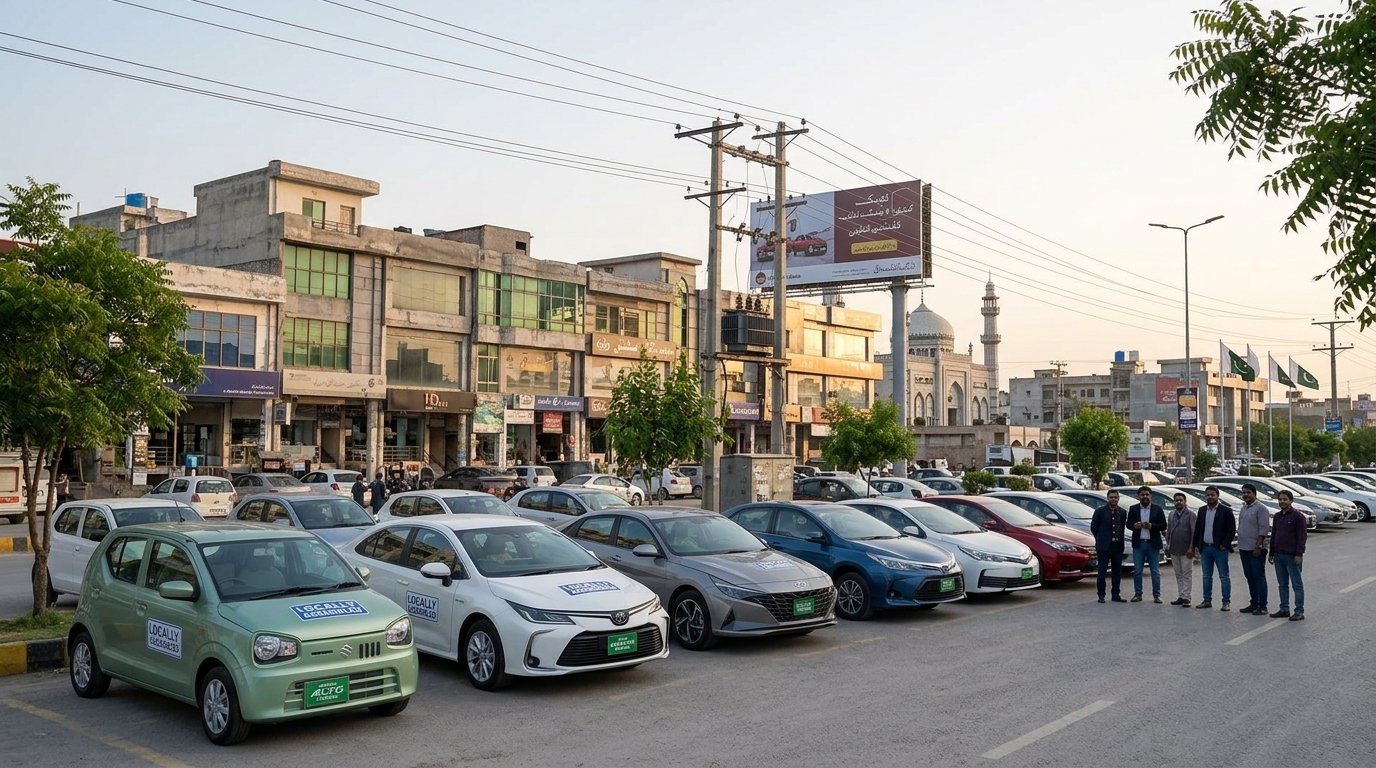
Prime Minister Shehbaz Sharif has given in-principle approval to Pakistan’s new Automotive and Auto Parts Manufacturing Policy covering 2026 to 2031. The decision comes after months of delays caused by differences among stakeholders over electric vehicles, taxes, imports and the level of local manufacturing.
The previous policy ended on 30 June 2026. The new framework seeks to encourage production of electric and hybrid cars, raise the share of locally made parts, bring in modern technology and cut the country’s heavy spending on imported fuel.
Officials say the approved draft will first go to the International Monetary Fund for review. After that it will be placed before the Economic Coordination Committee and then the federal cabinet. Once the cabinet clears it, the policy is expected to move to parliament and become law through a finance bill.
An inter-ministerial committee led by Power Minister Awais Leghari had earlier recommended major changes. These include gradual cuts in vehicle tariffs of up to 80 percent, stronger focus on new-energy vehicles, higher export targets for car makers and greater integration of Pakistani auto parts into global supply chains.
Industry groups remain divided. Some manufacturers want faster tariff reductions and strong incentives for electric vehicles, while parts makers worry that lower localisation requirements could hurt local factories and jobs.
If fully implemented, the policy aims to make cars more affordable, boost local industry and reduce dependence on oil imports over the next five years. Full details will emerge after the remaining official approvals.