
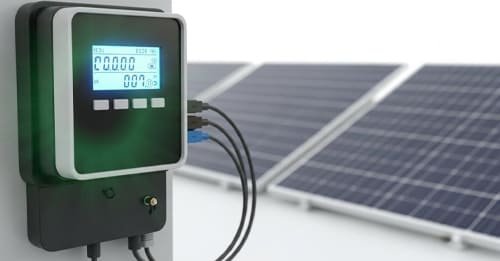
Pakistan’s net-metered solar capacity has grown dramatically in recent years. It rose from just 190 megawatts in 2020 to around 6,978 megawatts by June 2026. This almost 37-fold increase shows how quickly ordinary people and businesses turned to solar power.
The main reason was the desire for cheaper electricity. Rising power tariffs, a weaker rupee, and falling prices of solar panels made rooftop systems far more attractive. Many households and factories installed panels so they could produce their own power and send any extra units back to the grid under the old net-metering rules. Those rules allowed one-to-one credit, which helped cut monthly bills significantly.
This consumer-led boom became one of the fastest solar expansions in the region. Most of the new capacity came from small and medium rooftop setups rather than large government projects. It helped ease pressure on the national grid and gave people more control over their energy costs during times of high inflation and expensive grid power.
Authorities later shifted new connections to a net-billing system in early 2026 because the rapid growth affected utility revenues and grid stability. Existing agreements under the previous rules continue for their remaining term. Even so, the surge already marks a major change in how Pakistan generates and uses electricity.