
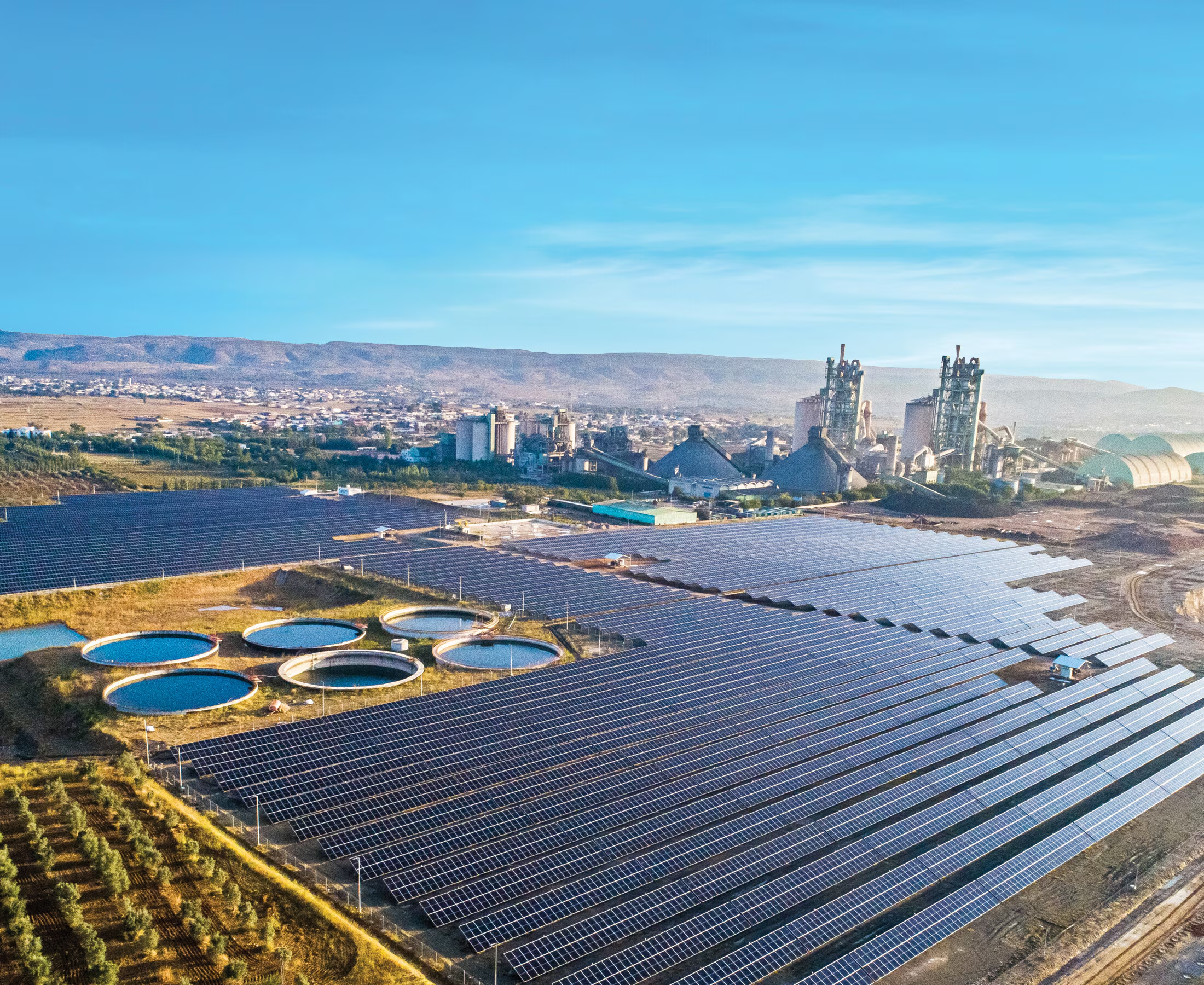
Pakistan is seeing fast growth in solar energy use. In May 2026, electricity from net-metered solar systems reached 4.1% of total power generation. This marks a big jump of 105 basis points from earlier months, according to Arif Habib Limited.
Net metering allows homes and businesses with solar panels to send extra electricity back to the grid and get credit on their bills. High electricity prices, frequent power cuts, and cheaper solar panels have pushed many people to install rooftop solar systems. Pakistan has imported huge amounts of solar panels in recent years, making it one of the fastest-growing solar markets in the world.
This shift is helping millions reduce their electricity bills and depend less on the national grid. Distributed solar (rooftop and small systems) is growing quickly across homes, shops, and farms. Experts say it is easing pressure on the power system and supporting cleaner energy goals.
However, the rapid rise also brings challenges. The government and regulators like NEPRA have updated rules in 2026, moving from full net metering to a net billing system in some cases. This aims to balance the grid and protect utility companies.
Despite policy changes, solar adoption continues because of falling panel prices and strong public interest. More solar power means less reliance on expensive imported fuel, lower carbon emissions, and more energy independence for families.