
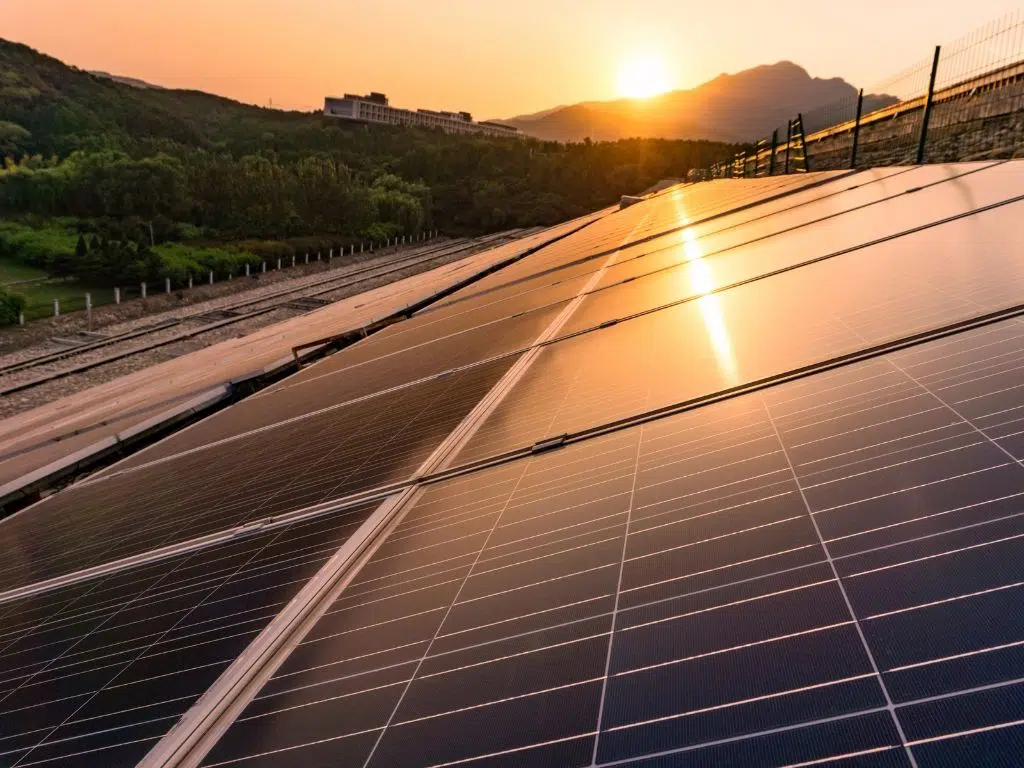
Pakistan is now being held up as a leading example for the world in rooftop solar power, following Bangladesh’s appreciative response towards Pakistan’s solar boom.
At a recent international conference, Global Solar Council CEO Sonia Dunlop said Pakistan’s rapid solar growth can serve as a leadership model. The Council is pushing a plan to solarise 300 million homes by 2030. This could add 2.5 terawatts of new solar capacity, nearly equal to the world’s current total solar base, and bring electricity to hundreds of millions of people still without reliable power.
Pakistan Solar Association Chairman Waqas Moosa noted that Pakistani consumers have installed around 38 gigawatts of solar power in recent years. This has helped the country cut its reliance on expensive and unreliable grid electricity and imported fuels. Since 2018, the solar boom has already saved Pakistan more than $12 billion in oil and gas import costs.
Experts described Pakistan as the “most compelling proof of concept” for the global 300-million-homes campaign. The experience shows how ordinary households and businesses can drive clean energy growth when high electricity prices and power shortages push people to act.
Other countries, including those in the developing world, are being encouraged to study Pakistan’s model alongside successful examples from places like Australia. Bangladesh had earlier expressed positive response over Pakistan’s solar policies and urged the government to adopt same policies in the future.
| Key Fact | Figure |
| Distributed solar capacity | ~38 GW |
| Fuel import savings since 2018 | Over $12 billion |
| Global homes target by 2030 | 300 million |
| Potential new capacity by 2030 | 2.5 terawatts |